


Civil Engineer Jobs in Saudi Arabia 2026 — Vision 2030 Projects Hiring
Civil engineering jobs in Saudi Arabia are in high demand through 2026, mainly because Vision 2030 giga-projects keep rolling out like NEOM, The Line, Qiddiya, and the New Murabba. Moreover, typical earnings for entry-level engineers land around SAR 4,000–7,000 per month; mid-career folks often see SAR 8,000–15,000; and senior engineers can be in the SAR 16,000–25,000+ range, usually tax-free. To get in the door, you generally need an accredited engineering degree, hands-on site or design experience, and registration with the Saudi Council of Engineers (SCE) before your Iqama gets processed.
Individuals updated their CVs three times and sent like forty applications on Bayt and LinkedIn, and still you can’t figure out if the “Civil Engineer—Riyadh” job is actually tied to some Vision 2030 mega plan or if it’s one of those recruitment outfits catching resumes. But every industry newsletter says Saudi Arabia is lacking qualified engineers. Additionally, the whole job search feels like talking loud into a deep well. That weird gap between a market that’s moving fast and hiring that’s a bit blurry is what’s getting under engineers’ skin right now.
Why Civil Engineer Jobs in Saudi Arabia Are Booming in 2026
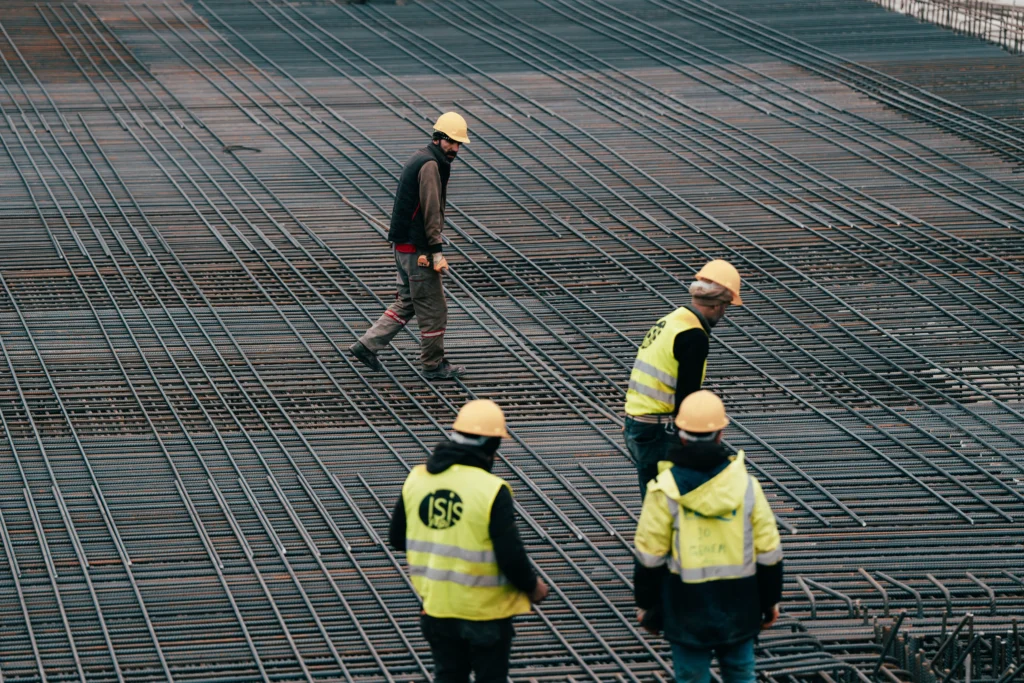
Civil engineer jobs in Saudi Arabia are rising hard because the country is pushing over $1.3 trillion in active construction and infrastructure work under Vision 2030, and there just aren’t enough local skills to staff everything smoothly. Therefore, the construction sector is now the biggest non-oil engine inside Saudi GDP, and the demand cuts across roles, from junior site supervisors all the way to niche BIM engineers, plus inspection, planning, and project controls
Civil engineer jobs in Saudi Arabia are surging a bit because the country is moving through over $1.3 trillion in ongoing construction and infrastructure projects under Vision 2030, and it basically doesn’t have enough local talent to fill every role. Additionally, the construction sector is now the biggest non-oil driver of Saudi GDP, so the demand isn’t just “one type” of engineer either; it spreads from junior site supervisors to specialized BIM engineers.
This isn’t one of those quick, short-lived hiring bumps. By mid-2026, more than 2,500 civil engineering openings in Saudi Arabia were already showing up on major job portals, and the number keeps rising as the giga-projects shift from planning into the actual build phase.
Why it matters, like actually matters: when a construction industry grows this quickly, the balance of power changes for engineers almost overnight. Moreover, if a nation needs thousands of professionals per year but can’t train and certify them fast enough inside the country, expatriate engineers who have the right registration and experience often get offers sooner, better relocation support, and faster visa processing than in more crowded markets like the UK or India.
Top Vision 2030 Giga-Projects: Hiring Civil Engineers
Vision 2030’s giga-projects are those master-planned developments—NEOM, The Line, Qiddiya, Red Sea Global, and the New Murabba—and they’re the main places where new civil engineering hires are being absorbed across the Kingdom.
Here’s where it’s most concentrated right now:
- NEOM & The Line—as they transition from ground-up infrastructure into more advanced structural assembly, the need leans toward structural engineers, geotechnical specialists, and people strong in MEP coordination.
- The New Murabba (Riyadh) is a huge urban buildout, including the “Mukaab,” a skyscraper big enough for something like 20 Empire State Buildings, and it’s drawing in high-rise structural and façade engineering talent.
- Red Sea Global—advanced sustainable engineering, focused on luxury tourism, with 0-carbon footprints, also hiring sustainability and site engineers, really tied in to the whole plan.
- Riyadh Metro & road interchanges—ongoing transportation network expansion, matched with Vision 2030, to improve the Kingdom’s strategic mobility while reducing urban congestion.
- Expo 2030 and World Cup 2034 prep – upgrades for airports like King Salman International, plus metro networks and stadium work.
Common civil engineering roles being hired across these efforts include site engineer, structural design engineer, quantity surveyor, project manager, road & bridge engineer, and civil/MEP coordination engineer.
Civil Engineer Jobs Saudi Arabia 2026: Salary Breakdown by Experience
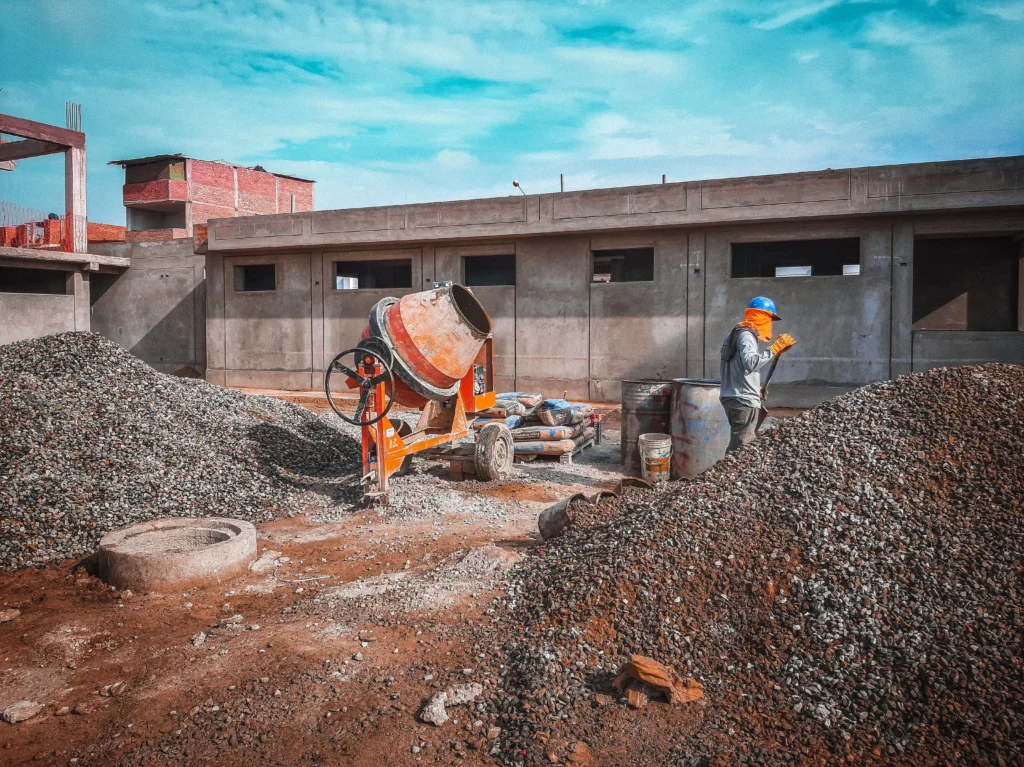
Civil engineer salaries in Saudi Arabia are tax-free and scale sharply with experience, licensing, and specialization. Here’s the current breakdown by career stage:
| Experience Level | Monthly Salary (SAR) | Typical Roles |
| Graduate / Entry (0–2 yrs) | 4,000 – 7,000 | Site Engineer, Junior Design Engineer |
| Mid-Career (3–7 yrs) | 8,000 – 15,000 | Project Engineer, Structural Engineer |
| Senior (8–15 yrs) | 16,000 – 25,000 | Senior Civil/Site Engineer, Design Lead |
| Project Manager / Director | 30,000 – 60,000+ | Project Director, Construction Manager |
What this means for your civil engineer job search in Saudi Arabia:
- Civil engineer jobs in Saudi Arabia pay tax-free, and most contracts stack housing, transportation, and medical insurance on top of the base salary above.
- Specializing in BIM modeling, sustainable/LEED design, or high-rise structural analysis pushes you toward the top of each salary band since giga-projects like NEOM and Red Sea Global are contractually bound to hit sustainability and digital-twin targets.
- Salary jumps are steep, not gradual—moving from mid-career to senior can more than double your pay once you clear SCE registration and pick up a specialization.
- Riyadh, NEOM, and Red Sea Global postings tend to sit at the top end of each bracket compared to smaller regional contracts.
How to get a civil engineer job in Saudi Arabia step by step

Honestly, landing a role there is kind of a pretty consistent story, whether you’re fresh out of uni or you already have 15 years on your back and you’re moving from another Gulf country; you know, same rhythm
- Get your degree attested. Your civil engineering degree has to be authenticated by your home country’s Ministry of Education plus the Saudi Embassy before anything actually starts moving
- Target the right employers. Apply mostly to the bigger international EPC outfits like Bechtel, firms tied to Saudi Aramco, Parsons and similar ones, plus the giga-project developers rather than small local subcontractors, because those big guys hire more people and pay more steadily, usually
- Apply through the correct channels, as MAAI WORKFORCE SOLUTIONS usually holds most of the real live openings. Recruitment agencies that focus on GCC hiring can also speed up interviews when they match your profile
- The technical interviews. Be ready for questions about site supervision, structural standards (SBC / ACI), quantity takeoffs, and how you manage schedules using Primavera P6 or related tools
- Sign the offer and get sponsorship. Once you accept, the employer kicks off the work visa process and Iqama sponsorship; that part is pretty standard
- Register with the Saudi Council of Engineers (SCE). Additionally, this is mandatory; there is no real workaround here. Without SCE membership, your Iqama can’t be processed or renewed, and your employer usually cannot connect you to systems like GOSI
- Relocate and onboard. Mostly contracts come with flights, housing support, or an allowance, plus a probation stretch around 3–6 months
SCE registration and engineer visa process in the Gulf
Engineer visa processing across Saudi Arabia and the broader Gulf really depends on professional council registration. For Saudi Arabia specifically, it’s the Saudi Council of Engineers (SCE), and it’s non-negotiable.
SCE registration is mandatory for engineers and technicians to be employed in engineering roles across both the public and private sectors in the Kingdom. Skipping it, or letting it lapse, can freeze your Iqama renewal entirely.
Documents typically required:
- Attested engineering degree and transcripts
- Valid passport and Iqama/entry visa copy
- Passport-sized photograph (white background)
- Updated CV matching your declared specialization
- Employer letter certified by the Chamber of Commerce
- SCE registration fee payment receipt
The application fee is 500 SAR and is non-refundable, and your engineering degree must be at least 5 years old (60 months) from the graduation date for certain registration tiers. Verification typically takes 5–10 working days once your documents are submitted, though third-party credential checks can occasionally run longer.
Civil Engineer Jobs UAE vs. Civil Engineer Jobs Saudi Arabia: Head-to-Head
Civil engineer jobs in the UAE and Saudi Arabia are often compared side by side by Gulf-bound engineers, and the honest answer is it depends on the project and your specialization, not just the country.
|
Factor |
Saudi Arabia | UAE (Dubai/Abu Dhabi) |
| Entry-level salary | SAR 4,000–7,000/month |
AED 4,000–8,400/month |
|
Mid-career salary |
SAR 8,000–15,000/month | AED 6,000–12,800/month |
|
Senior/Director level |
SAR 16,000–60,000+/month | AED 18,000–48,000+/month |
|
Key hiring driver |
Vision 2030 giga-projects |
Dubai 2040 Plan, Expo City legacy |
| Council/registration | SCE (mandatory) |
No single mandatory body; project-based |
| Tax status | Tax-free |
Tax-free |
Key takeaways for engineers weighing infrastructure jobs across the Gulf:
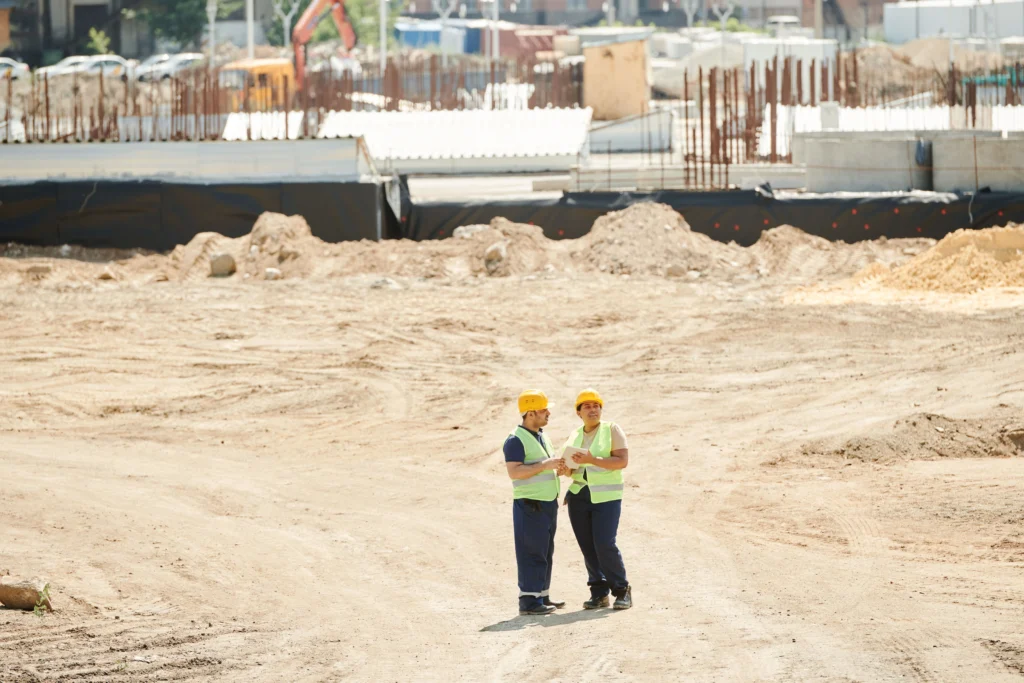
- Civil engineer jobs in Saudi Arabia currently sit on a larger giga-project pipeline in absolute dollar terms. At the same time, the UAE’s construction sector contributes roughly 8–9% of national GDP with a more mature, established market.
- Saudi Arabia’s SCE registration is a hard legal requirement; the UAE has no single equivalent mandatory council, which can mean a faster initial onboarding but less standardized credentialing.
- Infrastructure jobs across the wider Gulf — including Qatar, Bahrain, and Oman — tend to follow whichever country is mid-cycle on a mega-project, so many engineers rotate between Saudi Arabia and the UAE every few years rather than staying put.
- If your priority is the highest ceiling for Project Director-level pay, Saudi Arabia’s giga-project contracts currently edge ahead; if you want market stability and infrastructure job continuity, the UAE remains the steadier bet.
Mini Case Study From a Site Engineer to Project Lead in 3 Years
Think of a sort of composite story, like ones you see on recruitment platforms. Therefore an engineer with a brand new civil engineering degree, plus about one year of local site exposure, who ends up applying through an EPC contractor’s Maai Workforce Solutions listing for a road-interchange job in Riyadh.
They start as a site engineer around SAR 6,000 per month; not long after arrival, they wrap up SCE registration within roughly six weeks. Somewhere during the first year, they also pick up a Primavera P6 scheduling certification, kind of as an additional lever. Then, by the second year, they shift into a project engineer position.
By year three, after consistently proving themselves on interchange delivery and utility-relocation tasks, they get promoted to Project Lead, pushing compensation past SAR 14,000/month. And yes, this comes from stacking credentials on top of real, site-based mega-work experience, more than simply waiting for tenure to do the heavy lifting over time.
FAQ:
-
What qualifications do I need for civil engineer jobs in Saudi Arabia?
You generally need an accredited bachelor’s degree in civil engineering, real site or design experience, and Saudi Council of Engineers (SCE) registration is mandatory before your Iqama gets finalized.
-
How much do civil engineers earn in Saudi Arabia in 2026?
Additonally, entry-level, salaries are about SAR 4,000–7,000 per month; mid-career professionals earn SAR 8,000–15,000; senior engineers land around SAR 16,000–25,000; and project directors can reach SAR 30,000–60,000+, all tax-free.
-
Is SCE registration mandatory for all civil engineers?
Yes. Every engineer, even if the discipline is slightly different, must do SCE registration, and your job title on the Iqama should match the profession you registered under.
-
Which Vision 2030 projects are hiring civil engineers the most right now?
NEOM and The Line, The New Murabba in Riyadh, Red Sea Global, the Riyadh Metro plus road interchanges, and Expo 2030 / World Cup 2034 infrastructure upgrades are among the strongest active hiring sources.
-
Should I apply to Saudi Arabia or UAE civil engineer jobs first?
It depends a bit on your specialty and your timeline. Saudi Arabia is working with a bigger, active giga-project pipeline right now, while the UAE has a more mature, established construction scene with steadier mid-career pay increases.
-
How long does the engineer visa process take in the Gulf?
Once you secure an accepted offer, employer-sponsored visa and Iqama processing usually takes 2–8 weeks, and it runs alongside SCE registration. SCE registration itself takes roughly 5–10 working days for the first verification stage.
Why Choose MAAI WORKFORCE SOLUTION
The civil engineering hiring window tied to Vision 2030 won’t stay this wide open forever—gigaprojects hire in waves tied to construction phases, and the engineers who get SCE-registered and certification-ready before they apply are the ones who get offers fastest. Update your CV to highlight any BIM, Primavera, or high-rise structural experience, start your degree attestation now, and apply directly through MAAI WORKFORCE SOLUTIONS and reach out to us.